The Discovery
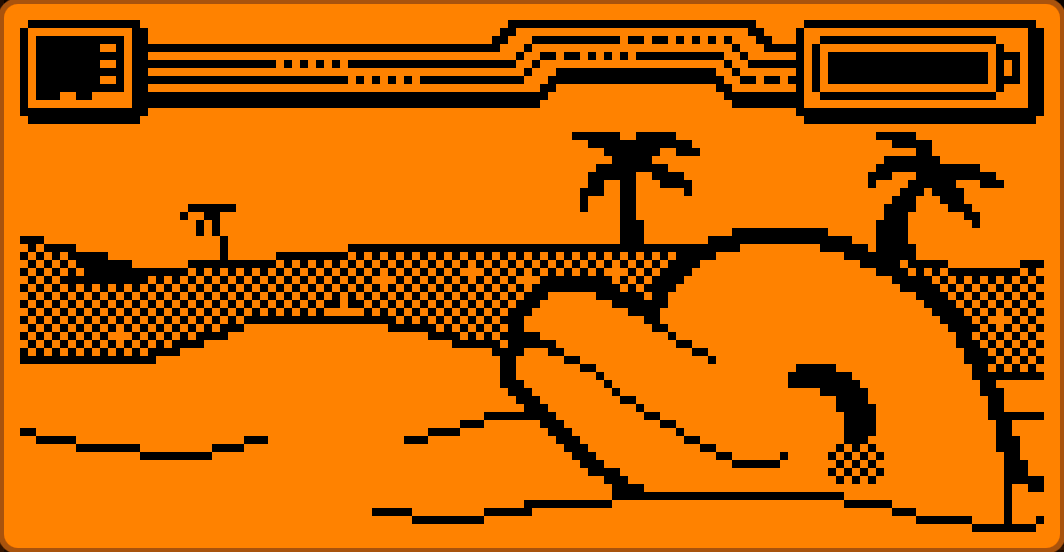
It was 10th grade, and I was doing what I usually did after school—browsing YouTube, falling down rabbit holes of tech videos and hacking tutorials. That's when the algorithm served me something that would change my trajectory: a video about the Flipper Zero.
I was immediately captivated. This little device, about the size of a retro Tamagotchi with a dolphin mascot, could do things I didn't even know were possible. The more I watched, the more amazed I became:
- Sub-GHz radio control - It could capture and replay signals from garage doors, gates, and wireless doorbells
- RFID/NFC cloning - Key cards, key fobs, access badges—it could read and emulate them all
- Infrared universal remote - Control TVs, projectors, air conditioners, basically anything with an IR receiver
- GPIO pins - Expandable with modules for even more capabilities
- BadUSB functionality - Act as a keyboard to automate commands
- iButton reading - Read those small contact keys used in buildings and security systems
But what really sold me was the philosophy behind it. This wasn't just a tool—it was an educational platform designed to teach you how wireless protocols work, how RFID systems function, and how everyday technology can be vulnerable. The Flipper Zero community was all about learning, experimenting, and understanding the tech we interact with daily but rarely question.
The Wait
I needed one. Not wanted—needed.
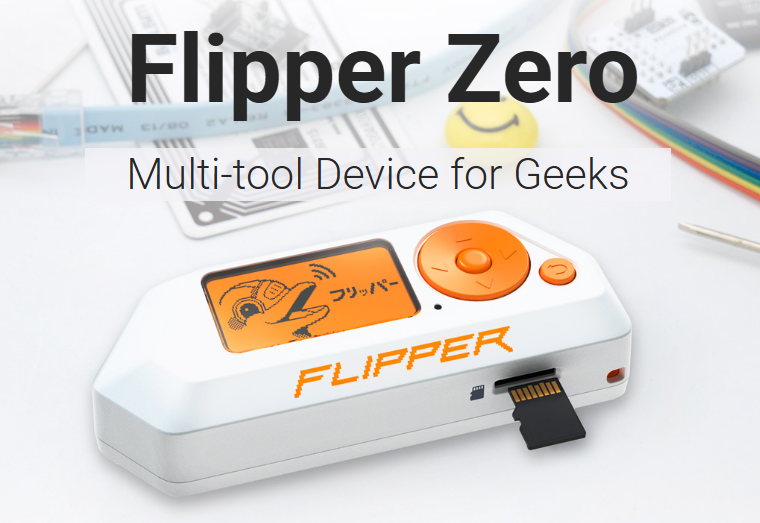
I scraped together what little money I had from my part-time work and immediately ordered one from the official website. The moment I hit "purchase," reality set in: now I had to wait.
Those days were agonizing. I obsessively tracked the shipping, refreshing the page multiple times a day even though I knew nothing would update that quickly. But my excitement was mixed with genuine anxiety. I'd been reading forum posts and Reddit threads about Flipper Zeros getting confiscated at customs. People posted photos of letters from border control explaining their devices had been seized because officials didn't understand what they were or mistook them for illegal jamming devices.
Every day that passed without an update, I worried. What if mine got stopped? What if customs agents decided it looked too suspicious? What if all that money—money I'd worked hard for—was just gone?
Then one day, I came home from school and there it was. A small package sitting on my doorstep.
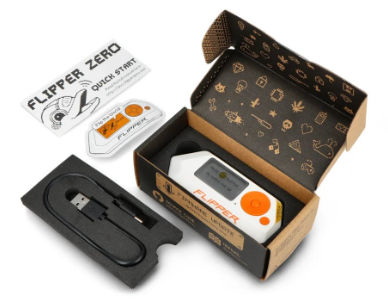
My heart literally raced as I tore it open. The distinctive orange box, the dolphin logo, the weight of the device in my hand for the first time. It was real. It was mine. I'd made it past customs.
The Setup
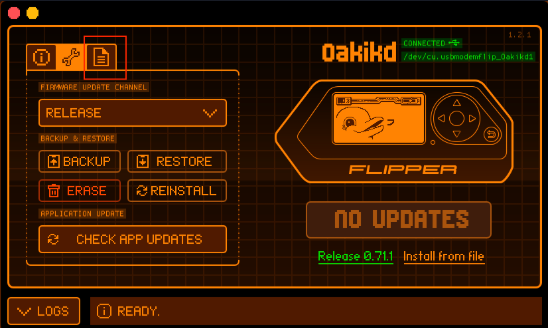
I didn't waste a second. I sat down at my computer, plugged the Flipper Zero in via USB, and dove headfirst into customization. The stock firmware was fine, but I knew from my YouTube research that custom firmware could unlock even more potential.
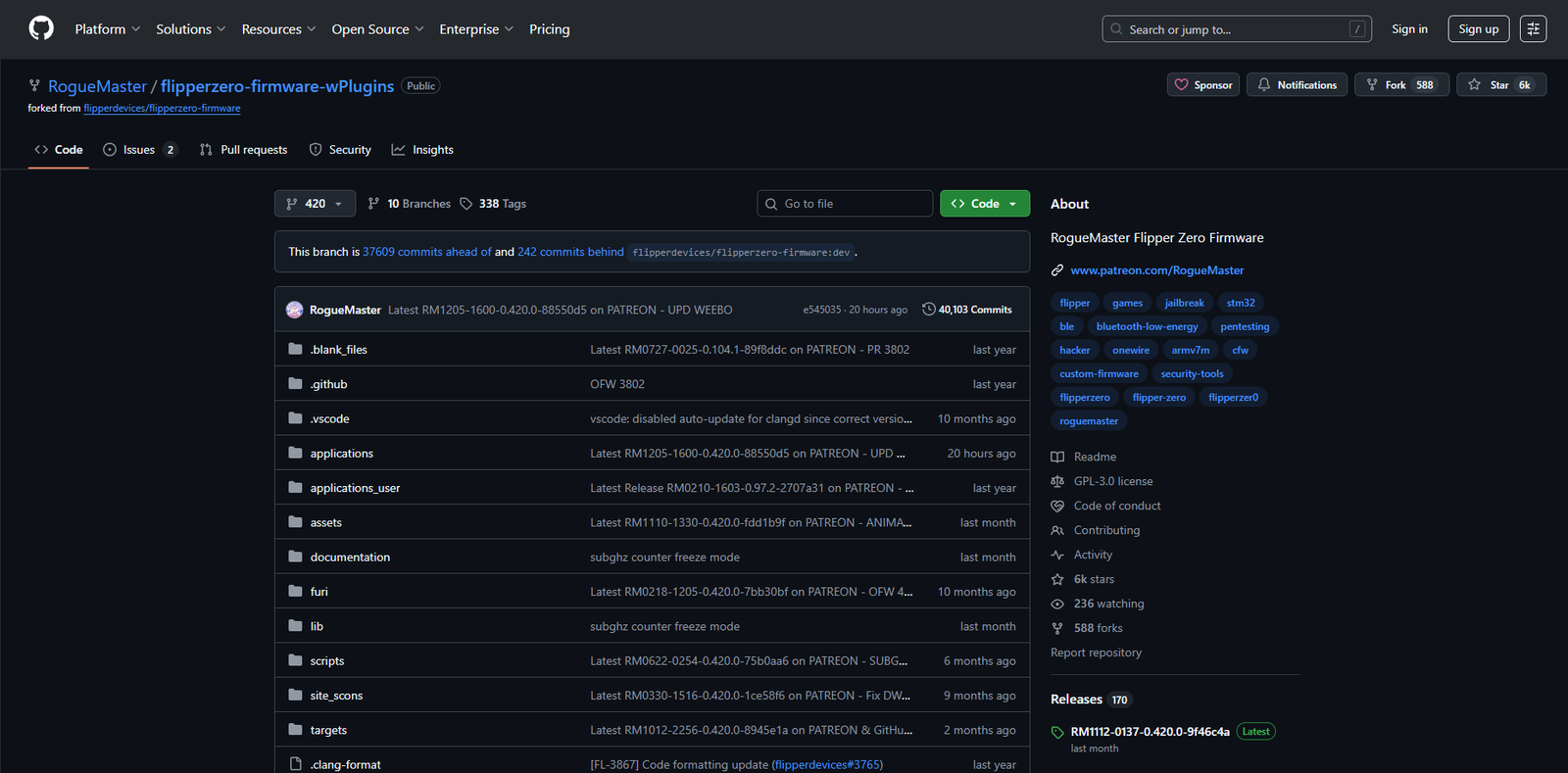
I spent hours reading through GitHub repositories, comparing different firmware options, watching installation tutorials, and reading community discussions about which builds were most stable. There were several popular choices:
- Unleashed - Unlocked more sub-GHz frequencies and removed some regional restrictions
- RogueMaster - Packed with extra features and community-contributed plugins
- Xtreme - A balance between features and stability
Eventually, I settled on one that had all the features I'd been dreaming about—a robust collection of infrared remote codes, expanded sub-GHz capabilities, and a slick interface. The installation process itself was a learning experience. I followed the steps carefully: download the firmware, connect the Flipper, run the updater, and watch as my device transformed.
When it finished and rebooted with the new firmware, I felt a rush of accomplishment. This was my Flipper Zero now, customized exactly how I wanted it.
The Experimentation Phase
Those first few weeks were pure magic. I carried the Flipper Zero everywhere, always looking for opportunities to test it out and learn something new.
I started with the basics—cloning my house key fob. I held the Flipper Zero up to it, pressed "Read," and watched as it captured the signal. Then I saved it. Just like that, I could emulate my key fob from the Flipper. I did the same with my school ID badge, learning about the different RFID frequencies and protocols in the process. It wasn't about bypassing security—it was about understanding how these systems worked.
The infrared capabilities became an instant favorite. The custom firmware came loaded with an enormous database of IR codes—literally thousands of remotes for TVs, projectors, air conditioners, LED strips, fans, and more obscure devices I'd never even heard of. Whenever I walked into a room with a TV or saw a projector, I'd pull out the Flipper and flip through the remote options until something worked.
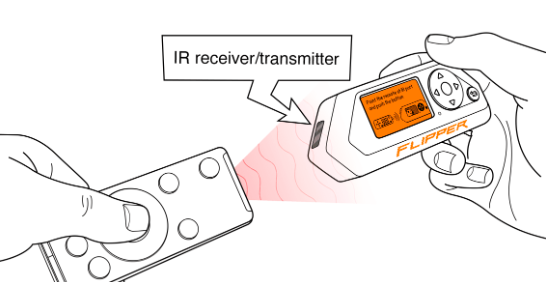
It felt like a superpower. I could control devices that weren't mine, that I'd never seen the actual remote for, just by cycling through protocols until the Flipper found the right one. TVs would change channels. Projectors would turn on and off. I wasn't doing anything malicious—just proving to myself that it worked, that I understood how infrared communication functioned, that these invisible signals were real and could be manipulated.
Every successful test taught me something. I learned why some remotes used different frequencies. I discovered that RFID came in multiple varieties—low frequency, high frequency, NFC—each with different use cases and security implications. I started to see the wireless world around me differently. Every device became a puzzle waiting to be understood.
The Projector Incident
But my absolute favorite memory—the one that still makes me smile and cringe in equal measure—happened at school.
It was a regular day in English class with Miss Abercrombie. We were supposed to be analyzing a novel or working on an essay, something perfectly mundane. I was bored, fidgeting in my seat, my mind wandering. And then Miss Abercrombie turned on the projector to show us something on the screen.
That's when I remembered: I had the Flipper Zero in my pocket.
I casually pulled it out under my desk, navigated to the IR remote section, and found the projector controls. My finger hovered over the power button. Should I? This was definitely crossing a line from experimentation into mischief. But the temptation was too strong, and my 10th-grade impulse control was... not great.
I pressed it.
The projector shut off.
Miss Abercrombie looked confused. She pressed the power button on the actual remote. The projector turned back on. She went back to her lesson. I waited a few seconds, then turned it off again.
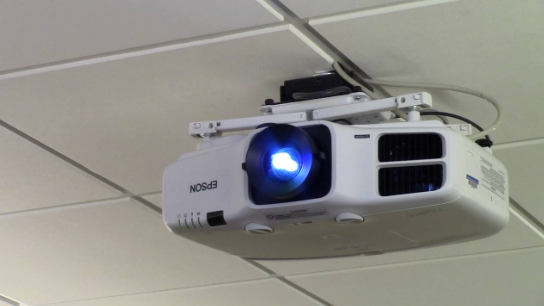
This time, Miss Abercrombie looked genuinely puzzled. She checked the power cord, pressed buttons on both the remote and the projector itself. It would work for a moment, then mysteriously shut off again. I was trying so hard not to laugh, keeping the Flipper hidden while occasionally pressing the power button at random intervals.
The more she troubleshot, the more confused she became. She'd get it working, walk back to her desk, and then it would shut off again. The class started to notice something weird was happening, but no one could figure out what. I was having the time of my life, feeling like some kind of technology wizard orchestrating chaos from the back of the classroom.
Finally, completely frustrated, Miss Abercrombie called IT.
I should have stopped. I knew I should have stopped. But when the IT person arrived and started checking connections and settings, I couldn't resist. I kept the chaos going, timing it perfectly to make the projector seem like it was malfunctioning. They'd declare it fixed, it would work for thirty seconds, and then mysteriously shut down again.
After nearly half an hour of troubleshooting, with both Miss Abercrombie and the IT person completely baffled, they gave up. The projector was declared "broken" and would need to be replaced or serviced. Miss Abercrombie, clearly exhausted from the technical ordeal, decided we'd do something else for the rest of class—probably group work or reading time, something that didn't require technology.
I felt simultaneously thrilled and guilty. I'd pulled off the perfect prank, a real-life demonstration of wireless control that no one suspected. But I'd also wasted everyone's time and probably made Miss Abercrombie's day harder than it needed to be.
(I'm sorry, Miss Abercrombie. Really. It was wrong, but it was also kind of amazing.)
What It All Means
Looking back on that experience—both the learning and the mischief—I realize how formative it was. The Flipper Zero wasn't just a toy or a prank device. It was a gateway into understanding how our world actually works.
We're surrounded by wireless signals constantly—RFID cards, infrared remotes, Sub-GHz signals, Bluetooth, WiFi. All of these invisible protocols work around us every second, and most people never think about them. The Flipper Zero pulled back the curtain and showed me these systems aren't magic—they're just technology that can be understood, analyzed, and manipulated.
That's what I love most about computers and hacking: there's always something new to discover. Every time you think you've learned something, you realize there's an entire deeper layer you haven't even explored yet. And the feeling when something works—when you've spent hours trying to understand a protocol and then finally get that success message—it's incredible. It's addictive in the best way.
Little moments like the projector incident pushed me forward. They showed me that learning isn't just about textbooks or tutorials—it's about hands-on experimentation and building genuine expertise through curiosity. The Flipper Zero was my first real hacking tool, but more importantly, it was proof that I could learn complex technical concepts and apply them in the real world.
I still have my Flipper Zero sitting on my desk alongside my other tools. These days I use it more responsibly—practicing RFID security testing on my own devices and learning about wireless protocols for legitimate security research. But sometimes, when I'm scrolling through those IR remote databases, I still remember that day in English class and smile.
We live in an amazing world where technology surrounds us constantly. Every device is a learning opportunity. Every system is a puzzle waiting to be understood. The Flipper Zero opened that door for me and showed me that with the right curiosity and dedication, I could interact with technology in ways I'd only dreamed about.
If you're thinking about getting into cybersecurity or hardware hacking: start somewhere. Get a Flipper Zero, install Linux, try a CTF challenge—anything that sparks your curiosity. Every expert started as a beginner who was just curious enough to try.
Disclaimer: This post is for educational purposes. The Flipper Zero is a learning tool designed to teach about wireless protocols and security. Always use hacking tools ethically and legally, only on systems you own or have explicit permission to test. Unauthorized access to computer systems or interference with devices you don't own is illegal. Learn responsibly.